
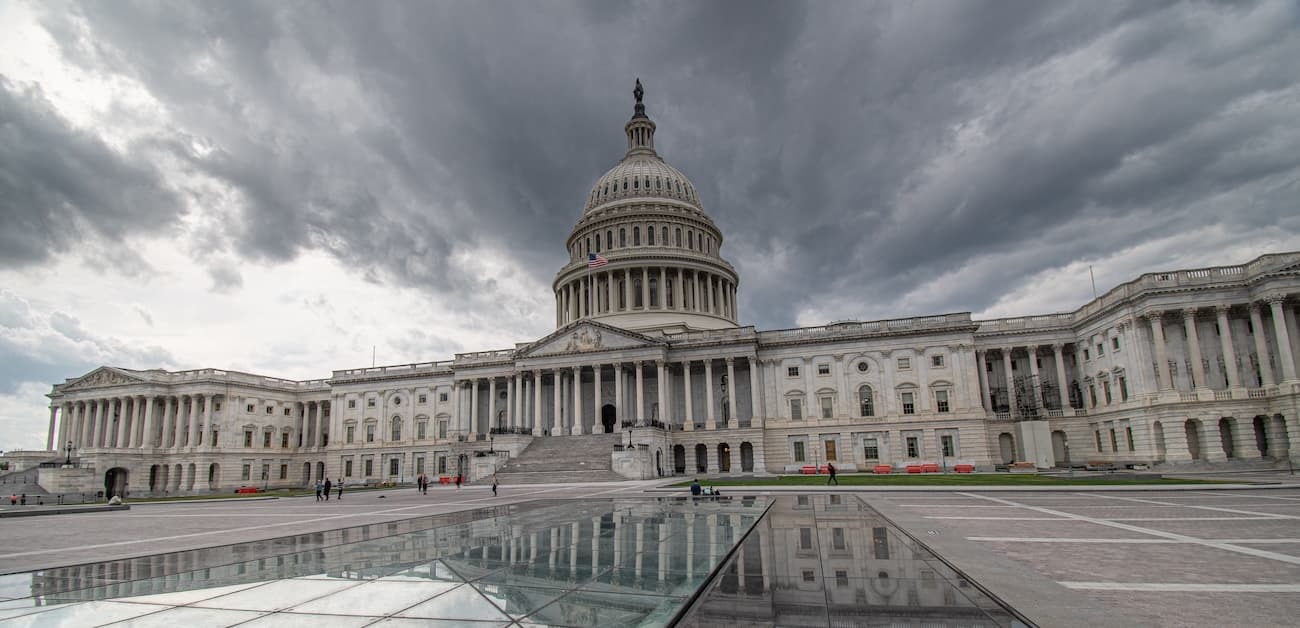
With the government shutdown housing market crisis now stretching beyond 30 days, the nation finds itself in uncharted territory. The effects extend far beyond Washington, as local economies begin to feel the pressure and home buyers nationwide face slower sales and shaken confidence. This marks the longest full government shutdown in U.S. history, and its impact on housing is becoming increasingly visible.
Critical housing and mortgage programs are operating at reduced capacity—or not at all—leaving buyers stranded, sellers waiting, and real estate professionals caught in the middle. Federal agencies that play vital roles in housing are functioning with limited staff or have suspended essential services entirely, creating widespread disruptions across the real estate sector.
The National Flood Insurance Program (NFIP) has lost its authority to issue new policies. Existing policies remain active and transferable, with a 30-day grace period for renewal, but uncertainty deepens as the lapse continues. For homeowners and businesses that depend on the NFIP, the risk grows every day the shutdown persists—especially for those in flood-prone areas during hurricane season.
“We’ve never seen a full government shutdown last this long,” said NAR Executive Vice President and Chief Advocacy Officer Shannon McGahn. “Delays in FHA and VA loan closings, the halt of USDA rural home loans, and the inability to issue new NFIP policies are destabilizing the market and hurting buyers, sellers, and property owners nationwide. Every additional day of inaction adds uncertainty to an already challenging market.”
NAR’s demand to reopen the government is part of a broader coalition of business groups—including Airlines for America, the American Bankers Association, the Business Roundtable, and the American Hotel & Lodging Association—calling on Congress to pass a clean funding bill. Their joint statement warns that government shutdowns impose real, escalating costs, estimating $10–$15 billion in weekly economic losses. The longer the shutdown lasts, the more permanent the damage becomes.
The real-world impact is spreading quickly. Federal workers missing multiple paychecks are facing financial stress, and uncertainty is slowing homebuying activity. “Mortgage rates are nearing three-year lows, which would normally boost affordability, but the government shutdown could temporarily stall home sales,” said NAR Chief Economist Dr. Lawrence Yun. In areas with many government employees or contractors, listings are staying longer on the market, forcing sellers to adjust their expectations.
In response, NAR has mobilized all 50 state REALTOR® associations to urge lawmakers to act. More than 40 states have already reported the shutdown’s harmful effects on housing markets, calling for an immediate resolution. NAR also issued a call for information from its members, gathering over 600 reports of delayed closings, lost savings, and frozen deals due to the government shutdown housing market disruptions.
According to data from 2024, around 2,000 FHA loans and 1,000 VA loans close each day in the U.S. While many of these continue, thousands of borrowers are facing delays as they await federal documentation like IRS income verifications or military relocation approvals. Meanwhile, all USDA loans—vital for rural communities—remain on hold, leaving many buyers without financing options.
The government shutdown housing market crisis may be centered in Washington, but its consequences are hitting communities across America. From delayed closings to lost insurance coverage, the real estate ripple effects are growing larger by the day.