
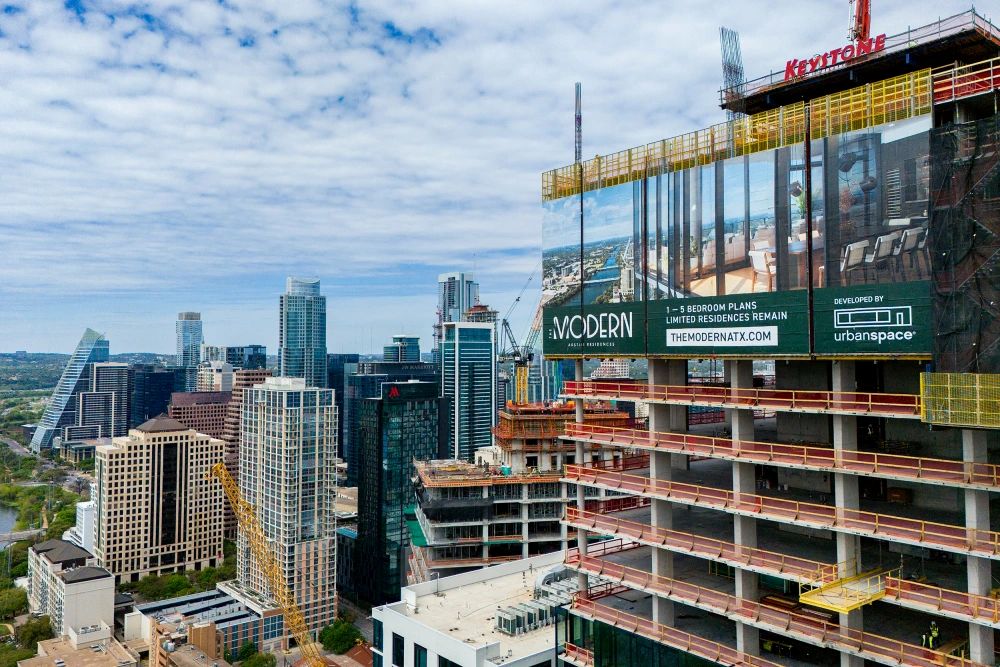
Even as rents fall in many cities, the U.S. rental market could face a supply crunch in 2026. Recent data shows new apartment construction has slowed, signaling potential pressure for renters as available units stagnate and macroeconomic conditions keep more people renting.
Experts say this slowdown may mark the start of a challenging cycle for renters nationwide. “Fewer housing projects are being started and completed, showing the pandemic building boom is over,” said Daryl Fairweather, chief economist at Redfin. “This will limit inventory of homes for sale and rent, worsening the housing shortage.”
October data from the U.S. Census Bureau and HUD reveal two key indicators of residential construction declining year-over-year. Apartment starts dropped nearly 11% compared to October 2024, signaling fewer projects underway. Completions fell 42% from the previous year, meaning fewer ready-to-rent apartments are entering the market.
Permits for new construction did increase, suggesting future projects. But Robert Dietz, chief economist for the National Association of Home Builders, notes that it often takes over 18 months to finish a building, so these permits are unlikely to immediately boost supply in 2026.
The 2024 boom in completions slowed in 2025, leaving fewer new apartments to hit the market. High interest rates, rising wages, fees, and material costs strained homebuilders, especially in major metropolitan areas, reducing starts and completions.
Conversely, smaller towns and secondary cities in the Sunbelt and Midwest saw more construction. “It’s cheaper to build there, but as offices reopen, rental demand is rising in inner suburbs and central counties due to commuting costs,” Dietz said.
Realtor.com data for November shows the national average rent in the 50 largest metro areas fell 1% year-over-year. Austin and Denver saw notable decreases, while denser regions like New York, D.C., Chicago, and San Francisco saw rents stabilize or rise slightly.
Fairweather predicts heightened competition in some dense metros. “More demand for apartments will put upward pressure on prices because supply is unlikely to improve,” she said. Many high-cost buyers remain renters, contributing to competition.
The housing affordability crisis also influences living arrangements. “We expect more intergenerational or roommate living arrangements as young adults delay forming households,” Fairweather added. Dietz noted that frustrated homebuyers renting longer also contribute to pressure in the rental market.
Even with leftover inventory from 2024 and a future pipeline of projects, renters could face tight supply in the near term. Those seeking housing may need to pay more or adapt to alternative living arrangements as competition intensifies in 2026.