
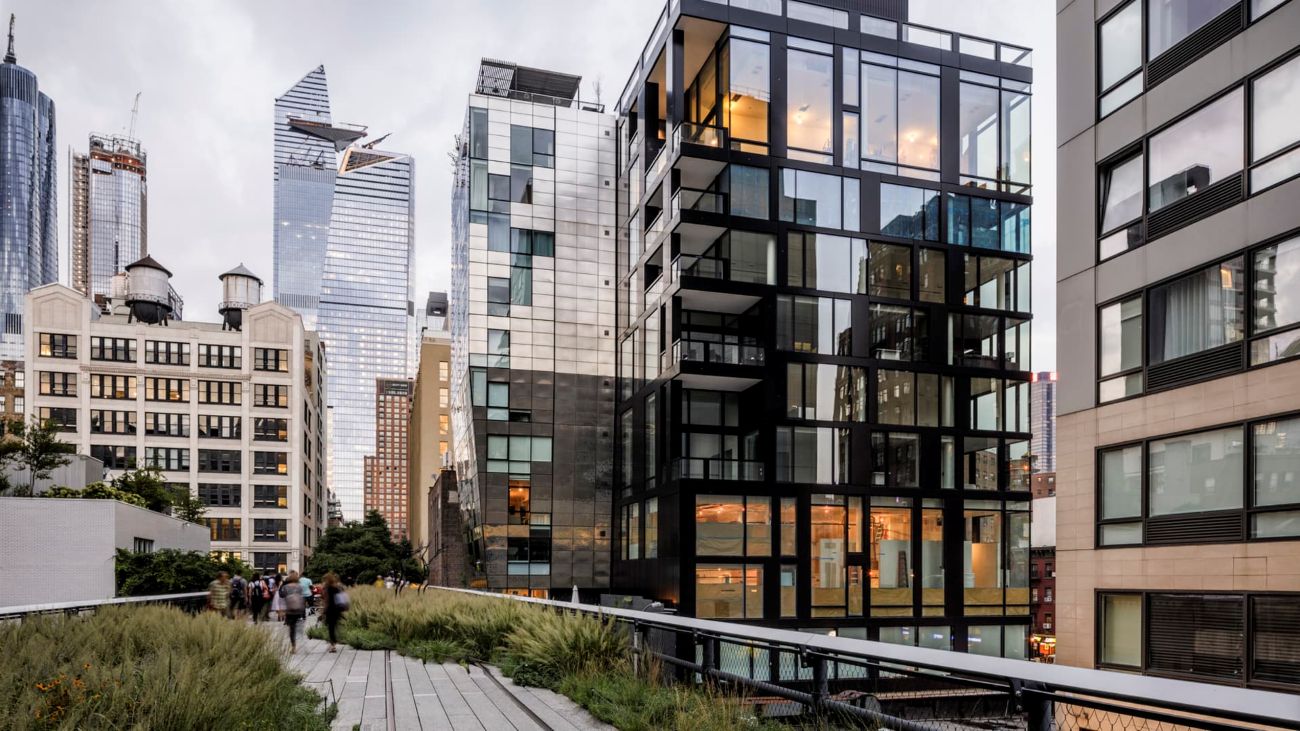
More than a third of Manhattan condos sold over the past year were sold at a loss, highlighting ongoing challenges in the city’s real estate market.
Despite constant headlines about high-profile sales and skyrocketing prices, the median price per square foot for Manhattan condos has remained largely flat over the past decade, according to a report from Brown Harris Stevens. Between July 2024 and June 2025, roughly one in three condo resales occurred at a loss. When factoring in inflation, transaction costs, and renovations, the share of sellers losing money is likely even higher.
While co-op data was not included, analysts indicate that co-op prices have generally performed similarly or slightly worse than condos.
“For the last decade, Manhattan has essentially been moving sideways,” said Jonathan Miller, CEO of Miller Samuel, the appraisal and real estate research firm.
This long-term price stagnation contrasts sharply with most of the U.S., where home prices have surged since the pandemic, creating widespread affordability issues. Nationally, only 2% of home sellers who purchased before the pandemic risk selling at a loss, according to Redfin.
Manhattan remains among the priciest U.S. markets, particularly on a per-square-foot basis. The median condo price in Q3 was $1.2 million, with the average just under $2 million. Long-term resale analysis shows that purchase timing often matters more than location.
Owners who bought before 2010 experienced the best gains, with median increases of 29%–45% over the past year. Prices rose post-financial crisis, peaking in 2016. Buyers from 2011–2015 saw modest gains of about 11%.
The largest losses occurred among those who purchased after 2016. Half of buyers from 2016–2020 sold at a loss, while gains for 2021–2024 buyers were minimal, though some late-2020 buyers fared better.
Additional costs like transaction fees (6%–10%), renovations, maintenance, and taxes exacerbate losses. Inflation, which rose 36% over the last decade, further reduces real returns.
“So if I had invested in a Manhattan condo in September 2015 and sold in August 2025 for the same nominal price, I actually lost 36% in real terms,” said Stijn Van Nieuwerburgh, co-director of Columbia University’s Paul Milstein Center for Real Estate.
The Case-Shiller national home price index rose 89% over the same period, outperforming both Manhattan condos and inflation.
Factors behind Manhattan’s “lost decade” include the 2018 cap on state and local tax deductions, the 2019 rent law, and Covid-era migration to Florida, though population and demand later rebounded.
Luxury condos were an exception. Sales of $10 million+ units yielded double-digit profits regardless of purchase date, fueled by wealthy buyers, rising stock markets, and cash purchases.
“The higher end has fared better, especially the top 4% of the market,” Miller said. Two-thirds of Q3 deals were cash, compared to a historical 53%, showing the market’s reliance on wealthy buyers unaffected by interest rates.
Despite fluctuations, brokers see opportunities. “While some lost money over the decade, losses were negligible,” said Jared Antin, executive director at Brown Harris Stevens. “Manhattan real estate remains blue-chip and stable.”
Buyers from the 2020–2021 dip may profit when selling, Antin added.
Yet median prices near all-time highs and mayoral election uncertainty keep some potential buyers renting. Households earning over $1 million who rent doubled between 2019–2023 to 5,661, according to RentCafe.
High-end apartment contracts ($4M+) dropped 39% in September following previous gains, driven by declining inventory and limited new developments rather than reduced demand.
“There’s downside risk from policy,” Miller noted, “but past experience shows such fears are often overstated.”