
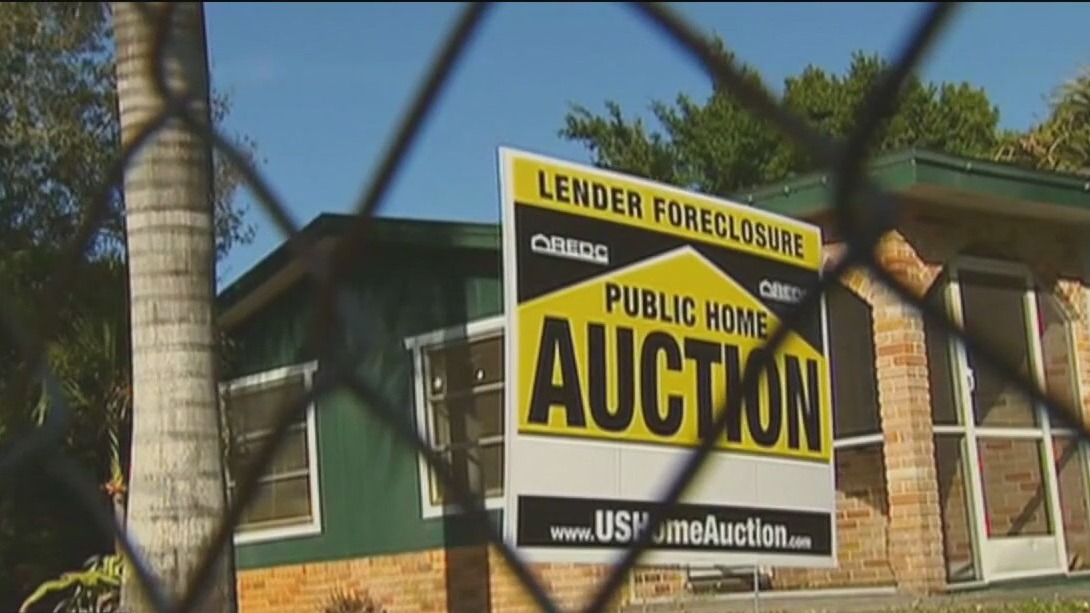
TAMPA – As the Tampa foreclosure crisis intensifies, Florida now leads the nation in housing distress, with Tampa emerging as the epicenter. Real estate analysts say a mix of declining home values, rising insurance premiums and escalating daily expenses is pushing more homeowners toward financial hardship.
The backstory:
ATTOM Data’s October 2025 U.S. Foreclosure Market Report recorded 36,766 foreclosure filings nationwide last month, up 3 percent from September and 19 percent from a year earlier, according to the company’s latest release.
Florida posted the country’s highest foreclosure rate with one in every 1,829 homes. Tampa ranked first among major metro areas, with one in every 1,373 housing units facing foreclosure — a surge ATTOM attributes partly to resumed data collection in Hillsborough County and the processing of backlogged cases. Realtors say many families who bought during Tampa Bay’s rapid 2020–2023 boom are now realizing that selling may not offer an easy escape.
What they’re saying:
St. Petersburg realtor Mia Annibale of Smith and Associates says some homeowners are discovering their properties would sell for roughly what they originally paid.
“They would have to sell at essentially the same price they bought for because there has been a declining market,” Annibale said, noting many would need to bring “roughly $10,000 to the closing table in order to avoid a short sale.”
Annibale says the reality often becomes clear only after the numbers are calculated.
“By the time we get that net sheet, they’re negative,” she said. “They can’t sell; they can’t afford the property.”
That, she says, is when families find themselves at real risk of foreclosure. Economists agree the pressure reaches beyond property values.
USF Economist Michael Snipes says all costs related to housing continue to climb.
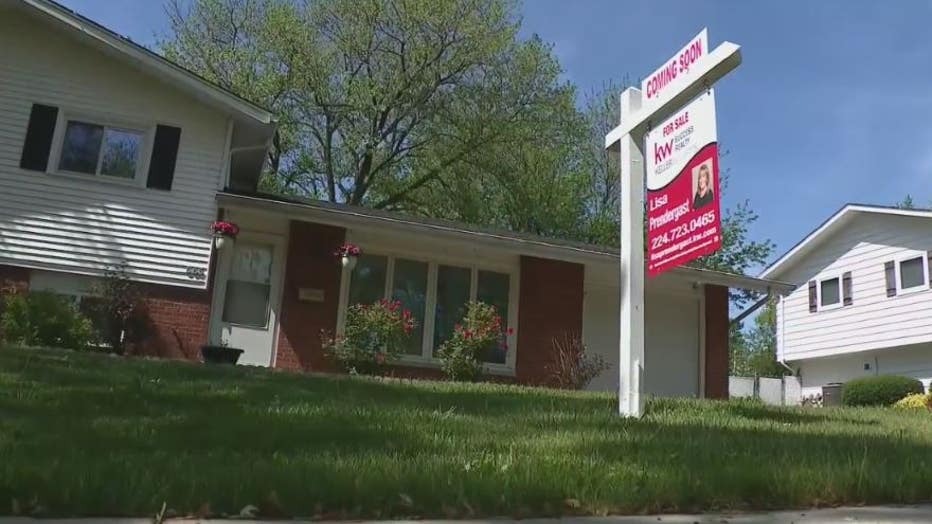
“It’s really all prices and all costs associated with housing, whether it’s HOA, whether it is interest on mortgage payments, whether it is insurance payments. All of those costs are going up,” he said.
Snipes adds that the impact is especially tough on retirees and people on fixed incomes. “It’s a huge investment, it’s a huge source of spending for a lot of individuals. A huge part of their income. So any small change is going to be felt particularly acutely by individuals who might not have a whole lot of money.”
Annibale urges homeowners to seek help early if they fear falling behind.
“Have the conversation sooner rather than later,” she said. “It’s not going to go away. Sometimes we get called in, and it’s to a point where the bank has already started the process and that gets very tricky.”
In his company’s report, ATTOM CEO Rob Barber said the national rise in foreclosures does not signal a collapse, but a return to typical activity. He wrote that current increases “appear to reflect a gradual normalization in foreclosure volumes as market conditions adjust and some homeowners continue to navigate higher housing and borrowing costs.”
The other side:
While Florida is seeing sharp increases, some metro areas are moving in the opposite direction. ATTOM reports year-over-year declines in foreclosure starts in Milwaukee, Indianapolis, Louisville, Washington D.C., and Detroit. Nationally, South Carolina, Illinois, Delaware and Nevada followed Florida in having the highest foreclosure rates.
States with the most foreclosure starts in October were Florida with 4,136, Texas with 3,080 and California with 2,685. Despite the uptick, overall filings remain far below historic peaks.
What’s next:
Housing analysts expect Tampa’s numbers to stabilize once Hillsborough County processes its backlog of filings.
The Source: Information for this story was drawn from interviews with realtor Mia Annibale and USF Economist Michael Snipes, as well as foreclosure statistics from ATTOM’s October 2025 U.S. Foreclosure Market Report.