
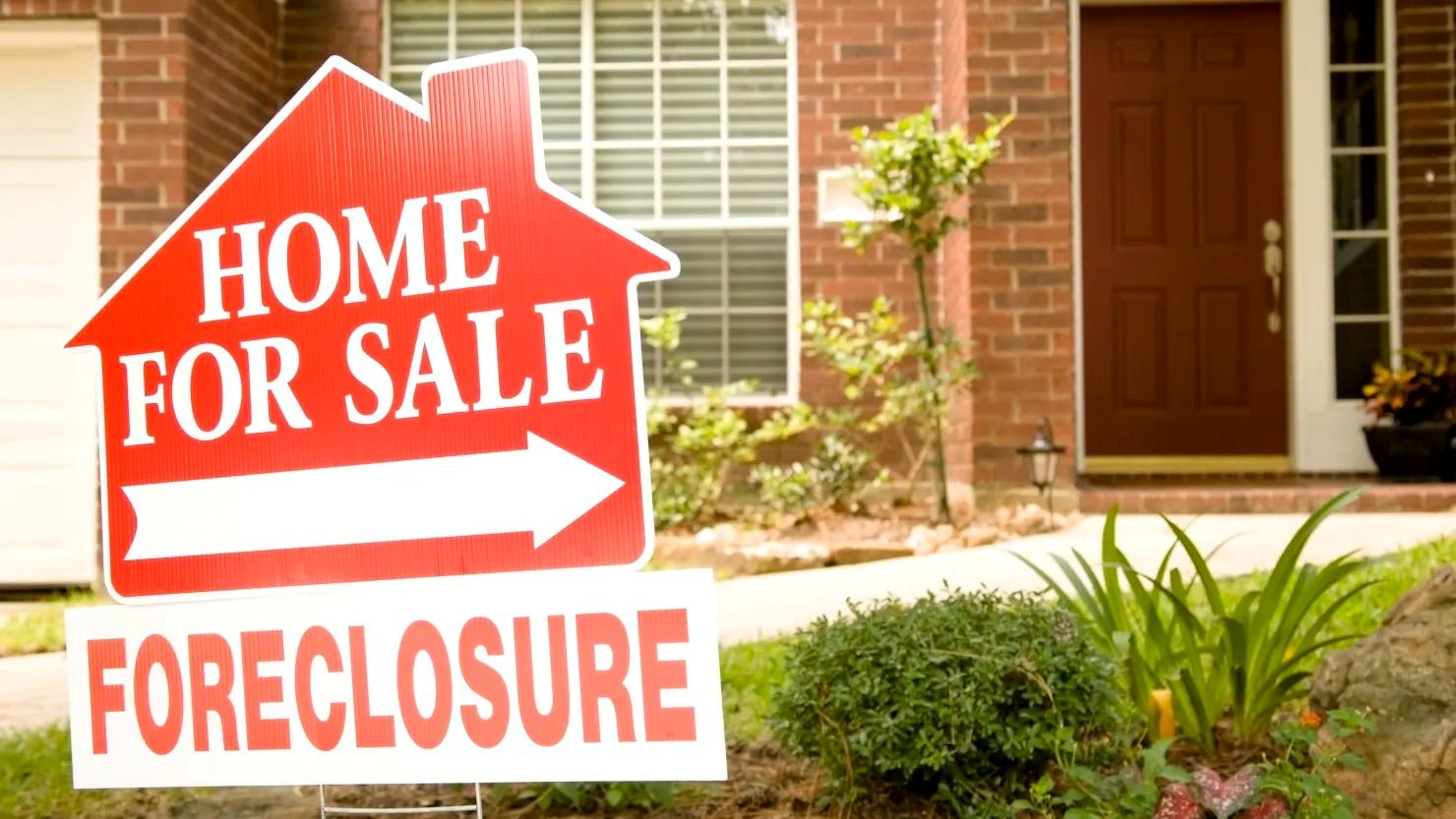
Foreclosure filings rose again in October, continuing a steady U.S. foreclosure trend that has emerged after years of historically low activity, according to new data released Thursday.
While overall numbers remain relatively modest, the ongoing climb in foreclosures could signal early stress points forming in the broader housing market.
There were 36,766 U.S. properties with some type of foreclosure filing in October — including default notices, scheduled auctions or bank repossessions, according to Attom, a property data and analytics firm. That figure was 3% higher than September and 19% above October 2024, marking the eighth consecutive month of year-over-year increases, Attom reported.
Foreclosure starts, the beginning of the process, climbed 6% for the month and stood 20% above last year. Completed foreclosures, the final stage, surged 32% year over year.
“Even with these increases, activity remains well below historic highs. The current trend appears to reflect a gradual normalization in foreclosure volumes as market conditions adjust and some homeowners continue to navigate higher housing and borrowing costs,” said Attom CEO Rob Barber in a release.
Florida, South Carolina and Illinois posted the highest state-level foreclosure filings. Among major metro areas, Tampa, Jacksonville and Orlando led the way, followed by Riverside, California, and Cleveland.
Looking specifically at completed foreclosures, Texas, California and Florida saw the most, signaling that those states could see more distressed inventory hitting the market. Strong demand for affordable homes suggests these foreclosed properties will likely sell quickly.
At the peak of the Great Recession, more than 4% of U.S. mortgages were in foreclosure, according to Rick Sharga, CEO of CJ Patrick Co., a real estate intelligence firm. Today, fewer than 0.5% are in foreclosure, far below the historic norm of 1% to 1.5%. Additionally, 4% of mortgages are delinquent; during the financial crisis, that number approached 12%.
“So, no foreclosure tsunami to worry about,” said Sharga. “That said, there are a few areas of concern. FHA delinquencies are over 11%, accounting for 52% of all seriously delinquent loans; we’re likely to see more FHA loans entering foreclosure in 2026.”
He added that states experiencing falling home prices and soaring insurance premiums — particularly Florida and Texas — are seeing rising default activity.
Although national home prices are softening slightly, they remain elevated. Mortgage rates, which many expected to drop more sharply after Federal Reserve rate cuts, are still hovering within a percentage point of recent highs. Buyers who assumed they would refinance by now may be feeling pressure as inflation persists.
Consumer debt is at record levels, delinquencies in other credit categories are rising and the job market is showing signs of cooling — all factors that could contribute to emerging vulnerabilities in the housing market.
“None of these issues have impacted mortgage performance — yet. But it would be unrealistic to assume that these trends, along with slow home sales and declining home-price appreciation, won’t lead to at least a slight increase in delinquencies and defaults in the months ahead,” Sharga added.